Ghana Legalizes Bitcoin: BTC Poised for Momentum in 2026
Temitayo Adedoyin
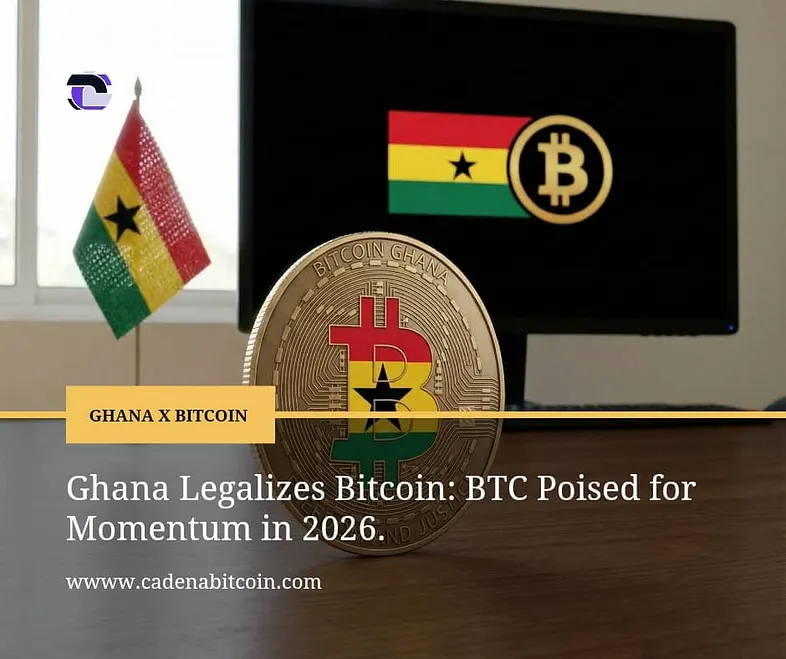
Ghana took a decisive step on Monday by passing the Virtual Asset Service Providers Bill, bringing an end to the uncertainty regarding the regulation of Bitcoin and other digital assets in the African nation. The Bill indicates a broader shift in how African economies embrace Bitcoin, not as a threat to monetary policy but as a door opened to structured innovation, financial inclusivity, global connectivity, and long-term market growth.
The policy places Ghana among a growing number of African countries that have legitimized the use of Bitcoin, such as Nigeria, South Africa, Mauritius, and Botswana, but the question is, “Will this catalyze a momentum for BTC as the new year approaches?”
Is Bitcoin Legal in Ghana?
Yes, Bitcoin is officially legal in Ghana, meaning that Ghanaians can use BTC and transact across regulated exchanges in the country under the new framework. The law also sheds light on licensing, supervision, and regulation of businesses that deal in digital assets, including Bitcoin. It also grants the central bank of Ghana the power to oversee the sector, prioritizing consumer protection and risk management.
Ghana’s decision reflects current economic realities and high inflation, which pushed individuals and businesses to seek alternatives like Bitcoin. Data reveals that nearly 3 million Ghanians, about 17% of the adult population, have engaged in Bitcoin and other digital asset transactions. Bitcoin provides:
Borderless transactions
Protection against a depreciating currency
Access to global capital markets
Financial sovereignty
Although legitimizing Bitcoin provides clarity for users and investors, the question is whether this new development will set the stage for BTC momentum heading into 2026. For many reasons, we believe that Ghana’s new law will encourage innovation and allow for more institutional participation as fintech firms and payment providers build Bitcoin-native products according to the dictates of the law.
How Cadena Can Help Shape Ghana’s Bitcoin Future
As Ghana’s Bitcoin market matures and adoption grows, a new challenge surfaces: “How Ghanaians can access liquidity without selling Bitcoin.” Historically, Bitcoin users face two choices regarding accessing liquidity: Hold BTC and wait for price appreciation or sell BTC to access funds. In a maturing market such as Ghana’s, neither option is ideal, especially with the volatility rate and uncertainties.
This is where Cadena Bitcoin comes in. Bitcoin Cadena is built on an infrastructure that supports financial utility, which fits best into Ghana’s Bitcoin Future. Rather than sell your BTC, Cadena allows Bitcoin users to unlock liquidity without selling. It offers a non-custodial, Bitcoin-backed lending that allows Ghanaian users and even businesses to;
Access capital in Dollars or stablecoins
Hold Bitcoin long-term and prevent forced liquidation during a market downturn
Maintain full ownership of their BTC asset
Borrowers can collateralize BTC at a reasonable rate to access funding, making Bitcoin more than just a store of value but a functional asset.
Final Thoughts: Is BTC Poised for Significant Gains?
Ghana’s legalization of Bitcoin is positive news that could redefine how Bitcoin functions in the country and Africa at large. With Cadena Bitcoin, BTC will no longer be a speculative asset, but a functional one that will integrate into everyday financial life. Moreover, Cadena Bitcoin will ensure that adoption grows even bigger with its decentralized lending/borrowing structure.
2026 is here, and we believe Bitcoin is poised for significant gains with Ghana’s BTC legalization. Soon, other countries will step in to redefine digital finance, but adoption is only meaningful with platforms like Cadena that promote real-world utility. Bitcoin Finance, through Cadena, is the future.
Cadena Newsletter
Stay ahead of Bitcoin lending
Educational explainers, product updates, and market insights — delivered to your inbox.
Already have an account? Log in